Defining Excellence in Food-Grade Glass
The global demand fo
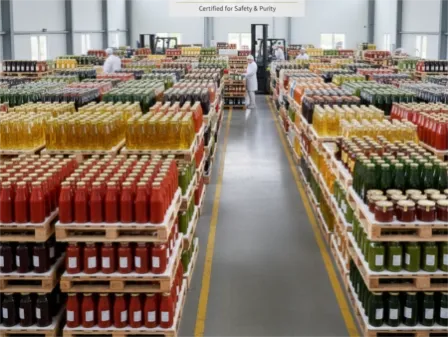
The global demand for high-purity packaging has transformed the role of a food-grade glass bottle supplier from a mere manufacturer into a critical partner in consumer safety. As regulatory bodies like the FDA and European Food Safety Authority (EFSA) tighten restrictions on chemical migration in packaging, premium brands are turning to VetroPuro for its mastery of chemically inert glass solutions.
Why Material Purity Defines Brand Value
Glass is naturally non-porous and impermeable, but not all glass is created equal. Standard soda-lime glass can occasionally contain trace impurities that affect the sensory profile of delicate oils, artisanal waters, or premium spirits. VetroPuro distinguishes itself by utilising high-purity silica sand and a strict decolourisation process to produce Super Flint glass—a material that exceeds standard food-grade requirements.
“A true food-grade glass bottle supplier does more than provide a container; they provide a guarantee of purity,” says a VetroPuro lead engineer. “Our glass is 100% recyclable and entirely lead-free, ensuring that the flavour and nutritional integrity of the contents remain uncompromised from the production line to the consumer's table.”
Engineering Safety: The Technical Advantage
VetroPuro's manufacturing excellence is rooted in its rigorous “Project Check” system. Every bespoke bottle undergoes a battery of tests to ensure it meets international safety benchmarks:
- Thermal Shock Resistance: Ensuring bottles can withstand pasteurisation and rapid temperature fluctuations.
- Precision Dimensionality: Guaranteeing an airtight seal to prevent oxidation and spoilage.
- Internal Pressure Testing: Vital for carbonated beverages to ensure structural safety under stress.
Sustainability and Modern Sourcing
In 2026, the definition of “food-grade” has expanded to include environmental responsibility. Modern sourcing strategies now prioritise manufacturers who reduce carbon footprints through efficient furnace technology and lightweight glass engineering. By reducing the mass of the bottle without sacrificing strength,
helps brands lower shipping emissions while maintaining a luxury hand-feel.
Conclusion
As the market moves toward higher transparency and “clean label” products, the choice of a food-grade glass bottle supplier becomes a primary marketing advantage. Brands that invest in high-clarity, inert glass not only comply with global safety standards but also communicate a commitment to quality that is visible at a glance.