Designing Bespoke Glass Bottles for Spirits
Bespoke Glass Bottle
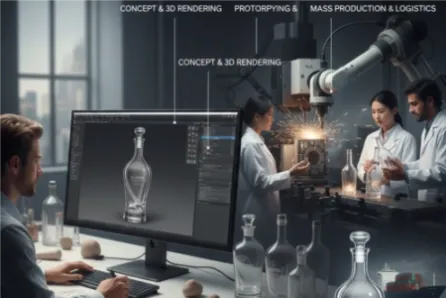
Bespoke Glass Bottles for Spirits – In the premium spirits market, the bottle is more than a container; it is a physical manifestation of the brand. Designing a custom vessel requires a strategic blend of aesthetic vision, technical precision, and an understanding of industrial manufacturing.
1. Conceptualisation and Brand Identity
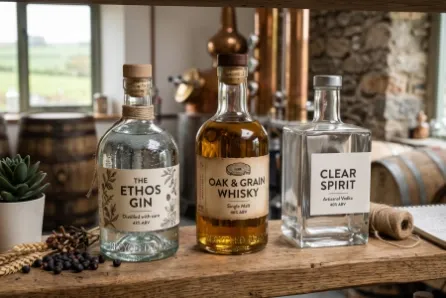
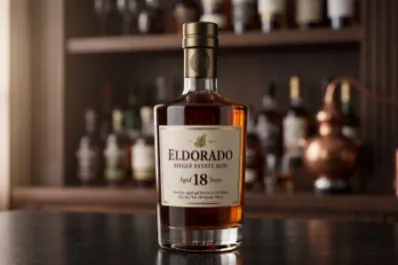
Before sketching begins, define the bottle's personality. Luxury whiskies often demand heavy bases and intricate embossing, while modern gins may favour minimalist, geometric silhouettes.
- Commercial Reality: Custom moulds require a significant investment.
- Minimum Order Quantities (MOQs): Expect requirements of 12,000-25,000+ pcs to justify the bespoke tooling costs.
2. The Technical Blueprint (CAD)
Creative ideas must be translated into Technical Drawings. These blueprints specify height, diameter, and wall thickness (typically 2.5mm–5mm for spirits). Accurate specifications are vital; even a millimetre's deviation can cause issues with high-speed filling lines or closure compatibility.
3. Prototyping and Mould Creation
Once the digital design is approved, physical prototypes—often 3D-printed or carved from Plexiglas—allow you to test the “hand-feel” and shelf presence.
- Moulding: Upon final approval, high-precision steel moulds are cast. In advanced Chinese facilities, this stage typically takes 35–45 days, significantly faster than Western averages.
4. Manufacturing and Shaping
The production process involves heating raw materials (silica, soda ash, and limestone) to $1,600°C.
- Forming: Most spirits bottles use the Blow-and-Blow method for narrow necks or Press-and-Blow for designs requiring exceptionally uniform wall thickness.
- Annealing: Newly formed bottles are cooled slowly in an annealing lehr. This critical step relieves internal thermal stresses, preventing the glass from shattering during transit.
5. Customisation and Decoration
To differentiate your product on a crowded shelf, consider secondary decorative processes:
- Tactile Detailing: Embossed or debossed logos integrated into the glass.
- Surface Finishes: Frosted textures, colour spraying, or metallic gradients.
- Screen Printing: Using durable ceramic inks for 360-degree branding.
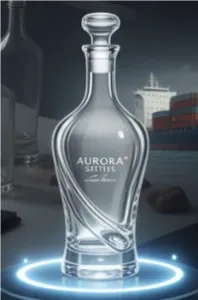
Key Design Considerations
| Feature | Impact on Brand | Technical Note |
|---|---|---|
| Glass Weight | Heavier glass signals “Premium” | Increases shipping costs |
| Clarity | Highlights the spirit's colour | Requires high-purity silica sand |
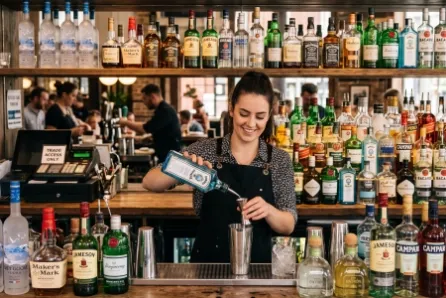
| Ergonomics | Enhances the pouring experience | Must fit standard bartender grips |
| Closures | Completes the aesthetic | Ensure neck finish matches cork/T-top |
Conclusion
A successful custom bottle is a marriage of artistry and engineering. By navigating the process from CAD to the annealing lehr with an experienced manufacturing partner, you can transform a brand concept into a tangible, shelf-ready masterpiece.