Durability of Screen Printing on Glass
Screen printing on g
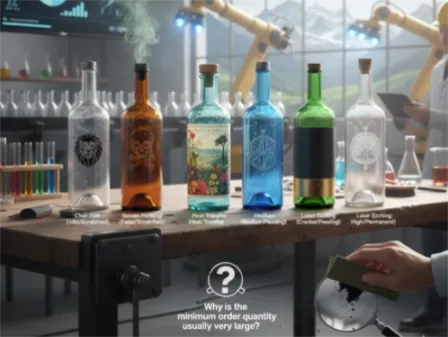
Screen printing on glass bottles is renowned for its exceptional longevity and resilience. When applied using industrial techniques, particularly Applied Ceramic Labeling (ACL), the decoration becomes a permanent feature of the packaging rather than a mere surface layer.
The Science of Permanent Bonding
The durability of screen printing is primarily determined by the curing process. In high-temperature firing, ceramic inks are fused into the glass surface at temperatures reaching approximately $600°C to $640°C
- Vitrification: At these temperatures, the ink and the glass substrate undergo a molecular bond. This renders the design virtually inseparable from the bottle.
- Resistance Profile: Once fused, the artwork is impervious to peeling, fading, and scratching. It can withstand hundreds of industrial washing cycles, making it the gold standard for returnable or multi-use glass containers.
Environmental and Physical Resilience
Screen-printed bottles are engineered to endure the rigorous conditions of the global supply chain and consumer use:
- Moisture and Temperature: Unlike paper labels, screen-printed designs remain pristine in ice buckets, high-humidity refrigerators, and during rapid temperature fluctuations.
- Mechanical Wear: The hardened finish resists the “scuffing” that often occurs when bottles rub against one another on high-speed conveyor belts or during transit.
- Chemical Stability: Ceramic inks are resistant to the oils, alcohols, and cleaning agents frequently encountered in the cosmetics and spirits industries.
Factors Influencing Print Longevity
While ACL offers the highest durability, other methods provide tailored solutions for different market needs:
| Method | Curing Temperature | Durability Level | Common Use |
|---|---|---|---|
| High-Temp (ACL) | 560°C – 640°C | Ultra-Permanent | High-end spirits, returnables |
| UV Curing | UV Light Exposure | High | Cosmetics, fragrance bottles |
| Low-Temp Bake | 150°C – 200°C | Moderate | Short-term promotional glass |
Inadequate processing—such as incorrect kiln temperatures or insufficient UV exposure—can result in “tacky” prints or poor adhesion. Therefore, adhering to strict industrial curing protocols is essential for a reliable finish.
Conclusion
Screen printing—specifically high-fire ceramic labeling—is arguably the most durable decoration method available for glass. It offers a permanent, premium alternative to traditional labeling, ensuring brand integrity remains intact throughout the product's entire lifecycle.