
How to Design a Spirit Bottle
Designing a bespoke
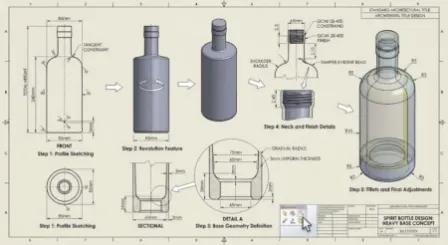
Designing a bespoke container for high-end alcohol is a sophisticated blend of artistic vision and structural engineering. In the competitive luxury packaging market of 2026, understanding how to design a spirit bottle that commands shelf attention while performing flawlessly on high-speed automated bottling lines is vital for brand differentiation.
The Foundations of Structural Accuracy
The journey of a premium bottle begins long before the glass is molten. At VetroPuro, engineering precision is paramount. Every custom project undergoes a rigorous “Project Check” where creative concepts are converted into highly detailed technical drawings and 3D CAD models. This process evaluates critical factors such as center of gravity, vertical strength, and volumetric accuracy. Ensuring compliance with global shipping standards and automated filling line tolerances at this stage eliminates costly defects during mass production.
Material Excellence: The Super Flint Standard
A brilliant design requires the right material canvas. For premium whiskey, vodka, and cognac, Super Flint glass (晶白料) is the industry benchmark. Renowned for its exceptional purity and crystal-like brilliance, Super Flint offers a light transmission rate exceeding 92%. This absolute transparency ensures the spirit's natural colors are displayed without the dull green tint of standard glass, while a heavy base (20-30mm) adds the tactile weight consumers associate with luxury.
Advanced Decoration and Brand Identity
The final phase of spirit bottle design involves advanced surface decoration. Incorporating permanent tactile textures like embossing and debossing directly into the custom mold establishes a strong sensory connection. Furthermore, luxury brands leverage modern industrial finishes—such as hot foil stamping, acid frosting, and metallic electroplating—to create reflective highlights that catch the light on retail shelves. Partnering with a certified manufacturer ensures these complex decorations are safely executed using lead-free, food-grade materials.