Safety of Lead-Free Glass Packaging
Safety of Lead-Free
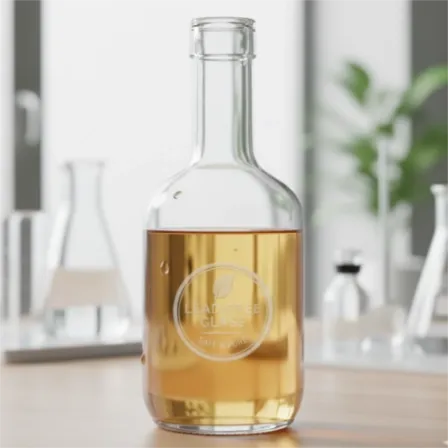
Safety of Lead-Free Glass Packaging – Glass is formed by heating silica sand until it vitrifies into a stable, non-porous material. While historical “lead crystal” incorporated lead oxide to enhance brilliance, modern lead-free glass—typically soda-lime or borosilicate—is the industry standard for the safe, long-term storage of alcoholic beverages.
The Chemical Risk of Lead Leaching
Lead crystal can contain between 24% and 32% lead oxide. When high-alcohol or acidic liquids, such as brandy or fortified wines, are stored in these containers, lead ions can leach into the liquid.
- The Leaching Process: Spirits act as a solvent; the longer a liquid remains in contact with leaded glass, the higher the concentration of toxic metals. Research shows that lead levels in spirits stored in crystal decanters can exceed safe limits within just weeks.
- Health Standards: Global health organisations, including the World Health Organisation, maintain that there is no known safe level of lead exposure. Cumulative ingestion can lead to serious neurological and systemic health issues.
Why Lead-Free Glass is Superior
Lead-free glass is chemically inert, meaning it does not react with its contents or migrate harmful substances into the liquid, even over decades.
Key Safety Advantages:
- Storage Stability: Spirits can be aged or stored in lead-free glass for years without compromising purity or flavour.
- Modern Brilliance: High-quality “Super Flint” glass achieves the clarity of crystal through refined raw materials rather than toxic metallic additives.
- Structural Integrity: Lead-free variants are often more resistant to thermal shock and mechanical impact, making them more durable for global shipping.
Identifying Potential Risks
Even when a bottle is lead-free, consumers and brands should remain vigilant regarding:
- Exterior Decorations: Vintage or low-quality bottles may use enamels or paints containing lead or cadmium. These can flake off or contaminate the rim.
- The “Ring Test”: A simple diagnostic tool; when tapped, lead-free glass produces a short, dull “clink”, whereas leaded crystal emits a sustained, musical ring.
Conclusion
For the spirits and beverage industry, lead-free glass is the only appropriate choice for ensuring consumer safety and regulatory compliance. By opting for certified lead-free materials and reputable manufacturers, brands can guarantee that their packaging remains as pure as the product it holds.