Why Glass Bottle MOQs are High?
Glass Bottle MOQs &#
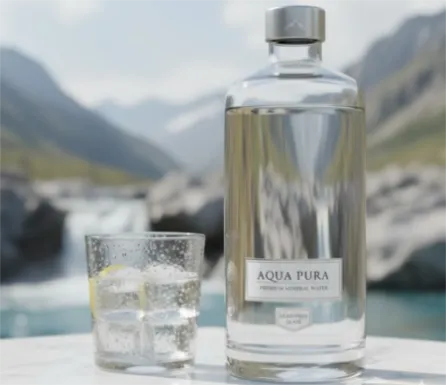
Glass Bottle MOQs – In the glass manufacturing industry, the Minimum Order Quantity (MOQ) typically ranges from 10,000 to over 100,000 units. This high threshold is dictated by the technical and economic constraints of a process designed for continuous, high-volume automation.
The Economic of Scale and Setup
The primary driver of high MOQs is the significant fixed setup cost. Preparing a production line involves engineering complex, high-precision moulds and calibrating Individual Section (IS) machines. These costs are substantial; therefore, factories must amortise them over a large production run to ensure the unit price remains commercially viable for the client.
Operational Constraints and Energy
Glass furnaces are designed to operate 24/7 at temperatures reaching $1,600°C
Automation and Quality Control
Modern glass production is a feat of high-speed automation, with lines producing thousands of units per hour.
- Consistency: Automated inspection equipment is calibrated for specific designs. High volumes ensure that the “settling in” period of the machinery—where initial defects are identified and corrected—does not consume a disproportionate percentage of the total order.
- Logistics: Due to the inherent weight and fragility of glass, bulk shipping is the only way to keep international transportation costs reasonable.
MOQ Variations by Project Type
| Category | Typical MOQ | Rationale |
|---|---|---|
| Stock Bottles | 5,000 – 10,000 | Uses existing moulds; lower barrier to entry. |
| Custom Designs | 30,000 – 50,000+ | Offsets new tooling and bespoke engineering costs. |
| Specialty Finishes | 20,000+ | Requires additional secondary processing lines. |
Conclusion
Ultimately, high MOQs are a byproduct of a manufacturing system optimised for efficiency and precision. While they present a barrier for smaller brands, these volumes guarantee the structural integrity and cost-effectiveness required for the global beverage and cosmetic markets.