Buying Guides
Custom Glass Bottles and Gift Boxes: From Design to Production
Plan custom glass bottles and gift boxes together: bottle specifications, decoration, inserts, sample approval and production checks for a coordinated pack.
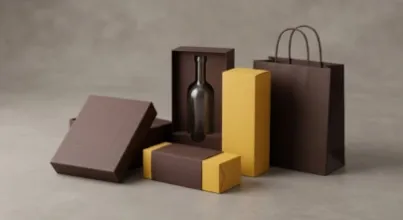
Plan the bottle and gift box as one project
Your bottle sample looks right. The printed gift box looks right. Put them together, however, and the closure touches the lid, the label faces the wrong way, or the insert rubs against the decoration. Approving each component separately can leave these problems undiscovered until assembly.
For custom glass bottles and gift boxes, the key purchasing decision is how to coordinate the complete pack before production. Start with the bottle, closure and intended use; develop the box around their confirmed dimensions; then approve the assembled set. This guide explains the decisions and sample checks to include in that process.
VetroPuro focuses on glass bottles for spirits and mineral water projects, with bottle customization, decoration and complementary paper packaging and gift boxes. The steps below are a buyer's planning framework. Available structures, materials, quantities and production arrangements need confirmation for each project.
1. Define what the finished pack must do
Begin with the sales channel and pack contents. A single spirit bottle for retail gifting has different presentation and handling needs from a two-bottle set. State whether the box will hold an empty bottle, a filled and sealed bottle, or additional accessories. Identify who will fill, assemble and pack the finished units.
Record the bottle capacity, intended closure, number of bottles per box and target market. Add any shelf-height limit, required label visibility and opening preference. If the pack travels through a parcel network, describe that route separately from pallet transport. These inputs give the bottle and box teams the same design problem to solve.
2. Choose the bottle route before fixing the box dimensions
Existing bottle design or a new mould?
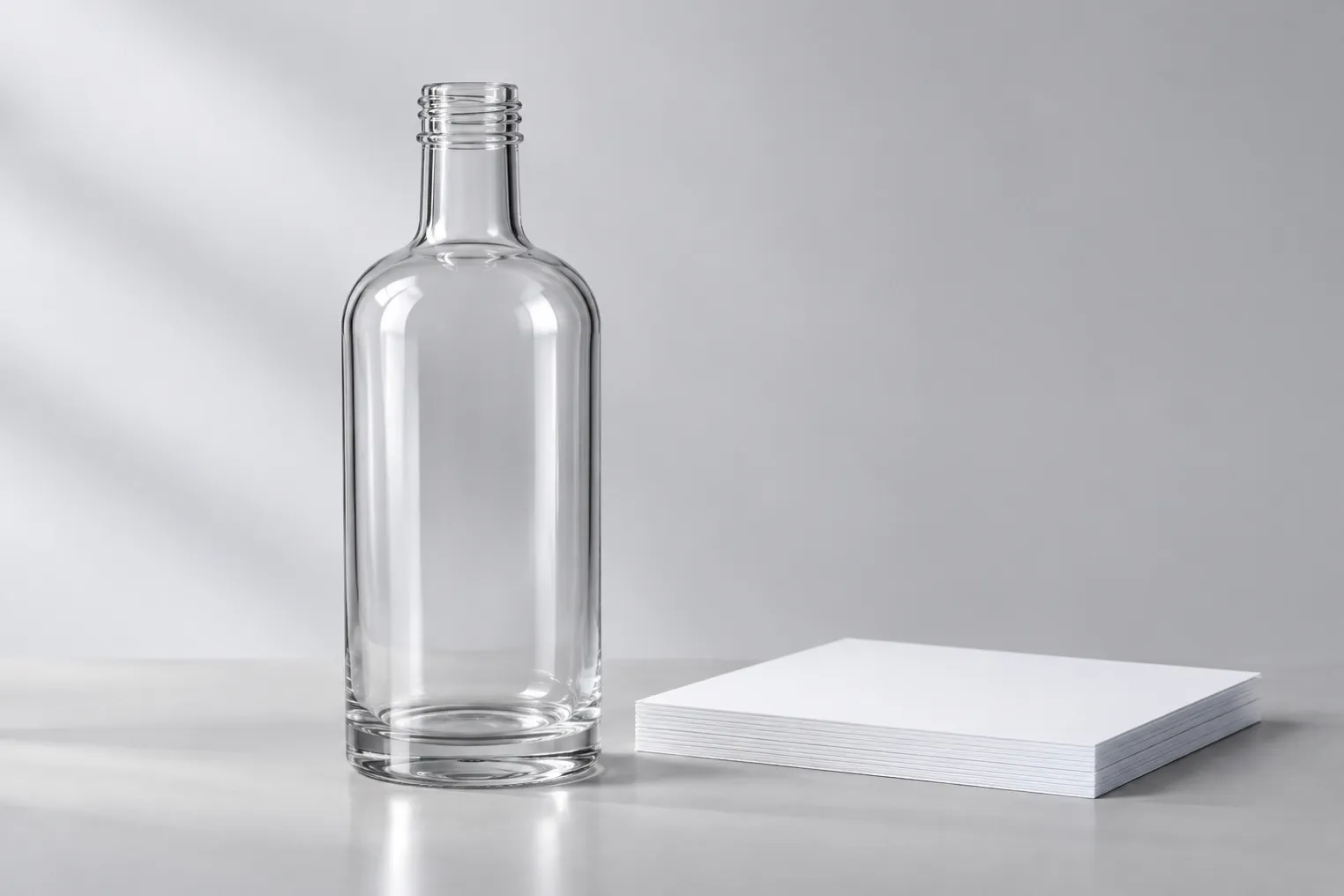
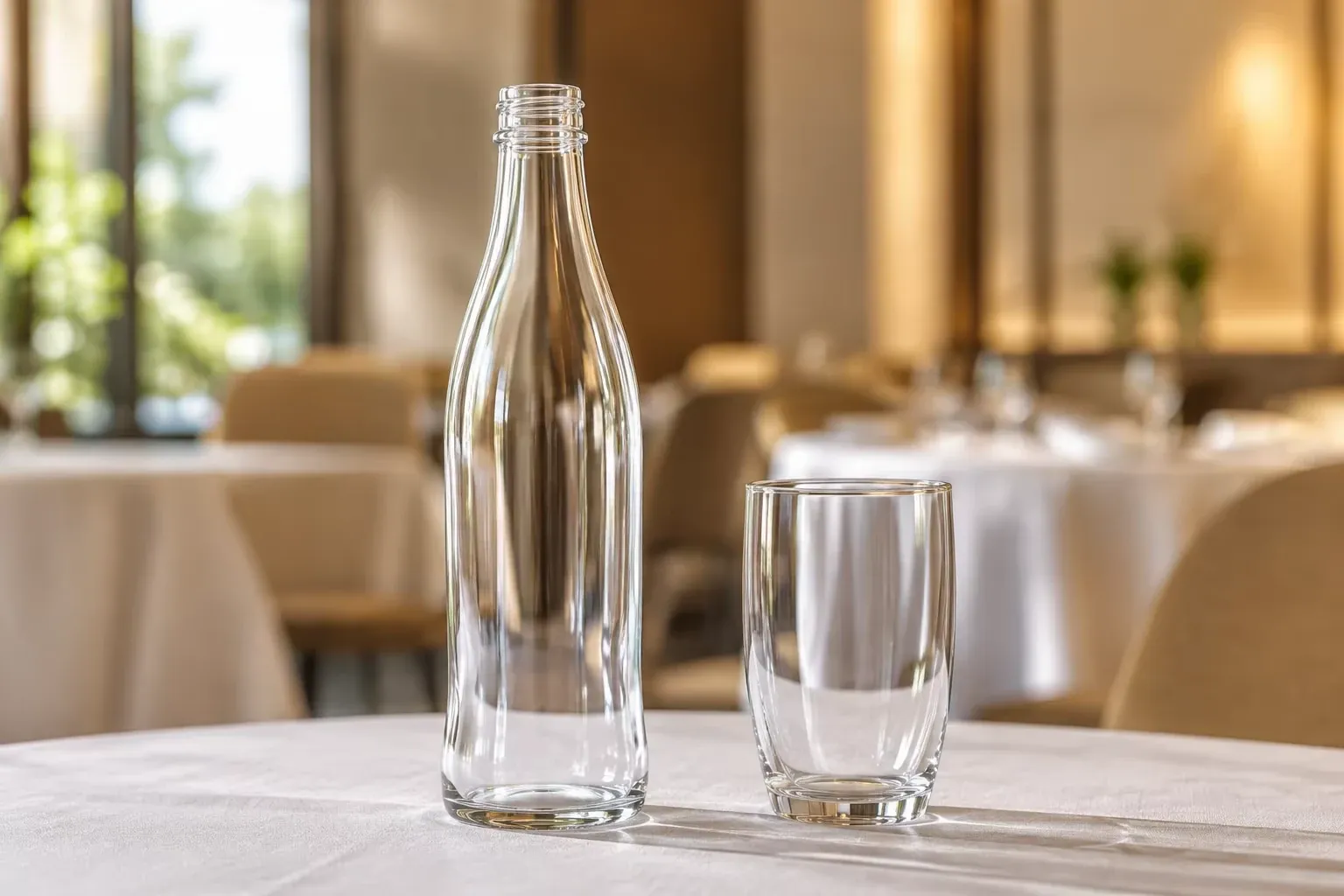
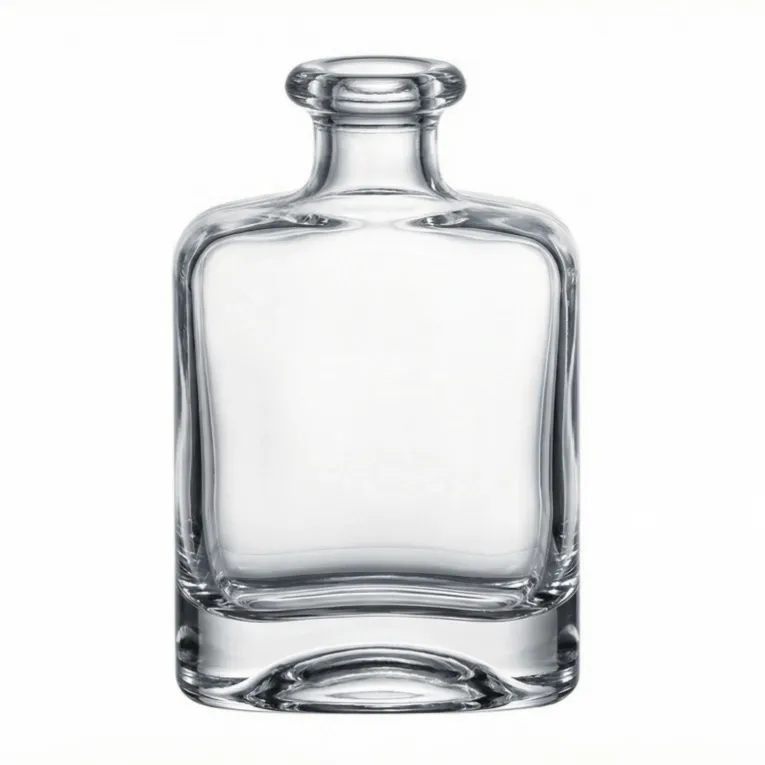
Ask whether an existing bottle design can meet your capacity, shape and branding needs. Decoration may create a distinct appearance without changing the glass shape. A bespoke bottle may suit a project that needs a particular silhouette or embossed detail, but it introduces tooling and sample decisions that should be settled before the box dimensions are frozen.
Compare both routes using the same information: bottle drawing, closure specification, decoration, order quantity and launch requirements. Ask for separate confirmation of tooling, samples, production and packaging. A single minimum-order figure or headline lead time does not explain which components or development stages it covers.
Confirm the complete bottle envelope
The insert and box must accommodate the bottle with its final closure fitted. Review overall height, maximum width, base shape and any protruding details on a dimensioned drawing. Agree how dimensional variation will be handled. Do not use a photograph or nominal capacity as a substitute for these measurements.
Check the neck finish against the chosen closure and the filling arrangement. A change in stopper height or cap shape can affect both the visible presentation and the lid clearance. Keep the bottle drawing, closure specification and box drawing on identifiable revisions so an outdated file does not drive a later sample.
3. Coordinate bottle decoration with the box artwork
VetroPuro's decoration range includes screen printing, colour spraying, frosting, hot stamping, labelling and bottle embossing. Select an effect for the actual bottle and design, then confirm its practical limits through samples. For example, a printed mark must sit correctly on the bottle's curved surface, while an embossed feature needs consideration during bottle design.
Review the decorated bottle beside the proposed box artwork. Compare logo scale, orientation, colour and metallic effects under the same viewing conditions. A colour reference helps communicate intent, but glass, coatings and printed paper are different surfaces. Approve physical appearance rather than assuming that one artwork file will look identical on every material.
Mark the surfaces that touch the insert. Include decoration adhesion and resistance to rubbing among the project checks where relevant, with an agreed method and acceptance criteria. An attractive finish still needs to be compatible with how the bottle is held, removed and packed.
4. Develop the gift box around fit and removal
VetroPuro's gift-box collection presents several packaging directions, including drawer boxes, magnetic rigid boxes, folding cartons and bottle sets. Use these as starting points for discussion. Confirm the proposed material, internal support, printing and assembly details for your own pack rather than assuming every pictured design has the same specification.
Evaluate the insert with the actual bottle and closure. It should hold the intended orientation while allowing the buyer to remove the bottle comfortably. Check neck and shoulder support, clearance around decorated areas, finger access and how the bottle behaves when the box is opened. A snug visual fit alone is insufficient evidence of transport protection.
For a set, check the space between bottles and any accessories. For a window or open presentation, review which label areas remain visible. Also confirm whether boxes will arrive flat or assembled, who fits the inserts, and where the final bottle-and-box assembly takes place. Those choices affect handling and shipping volume.
5. Approve an assembled sample before production
A useful approval sequence is: confirm the bottle and closure specification, review decoration samples, check the box structure and artwork, and then examine the assembled pack. Distinguish an appearance mock-up from a production-representative sample; they answer different questions.
During the assembled-pack review, check lid clearance, closure access, bottle orientation, insert contact and removal. Inspect the box edges and printed surfaces after handling. Where shipping protection matters, agree suitable testing with the responsible supplier or testing provider using a representative packed product and the intended distribution conditions.
Keep a dated approval record stating the accepted drawing revisions, artwork, physical samples and unresolved items. If the bottle, closure or insert changes afterwards, reassess the affected fit checks. Approval of an earlier combination should not silently carry over to a revised pack.
6. Align production, inspection and shipment
Ask for a schedule that separates tooling, sampling, artwork approval, bottle production, decoration, box production and final packing. Identify which stages can proceed together and which depend on a signed sample. Confirm the point from which each lead time is measured, including any buyer approvals or supplied components.
Before ordering, agree the inspection points and how the finished set will be packed for shipment. Clarify whether bottles and boxes travel together or separately, the carton arrangement, pallet requirements and assembly responsibility. Request the relevant packing dimensions and weights for logistics planning. Decorative gift packaging and the outer shipping pack serve different purposes and need separate consideration.
Questions buyers often ask
Can I customize an existing bottle with a matching gift box?
An existing bottle design with selected decoration and a coordinated box is a route to discuss. Confirm that the bottle dimensions, closure, decoration area, quantity and proposed box structure are suitable before committing to it.
What determines the minimum order and delivery schedule?
Bottle production, tooling, decoration and printed packaging may have different requirements. Request a breakdown for the specified project, including sample and approval stages. Avoid treating a quantity or delivery estimate for one component as a commitment for the complete set.
What should I prepare for a bottle-and-box enquiry?
Prepare the product type, target market, bottle capacity, drawing or reference design, closure details, decoration artwork, quantity and desired launch date. Add the number of bottles per box, any accessories, preferred opening style, assembly location and delivery destination. Identify decisions that are still open so they can be discussed explicitly.
Discuss your custom bottle and gift-box project
Contact VetroPuro with that project brief to discuss glass bottle and gift-box customization. Include available drawings and artwork, and distinguish fixed requirements from preferences. Confirm the feasible configuration, samples, commercial terms and responsibilities before placing an order. The goal is an approved bottle-and-box combination, with clear specifications for each component and their fit together.